Experienced DUI LAWYER IN MIAMI, FLORIDA

Miami DUI Lawyer Jonathan B. Blecher —over 3,000 DUI & Suspended License cases since 1982.

Charged with DUI?

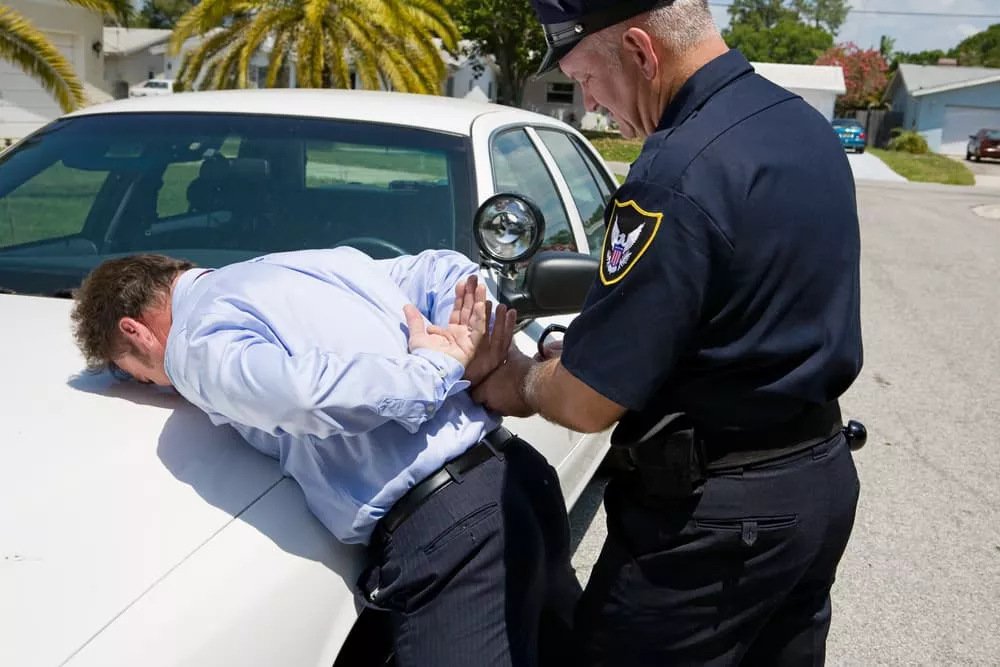
  • If you have been charged with DUI in Miami, the decision about who to represent you is critical. You will be putting your freedom and your future into the hands of a lawyer whom you may not know anything about. The law firm you choose for your case is probably the most important decision in your life right now.
  • Jonathan Blecher is a Criminal Defense Lawyer based in Miami, Florida. Mr. Blecher has defended thousands of DUI and Criminal Law cases since 1982.   He has served as an Assistant State Attorney, on the Florida Bar committee which writes DUI and traffic court rules, and over 28 years of Criminal Law experience. He has lectured at the Miami-Dade Police Academy in courtroom procedure for police officers.
  • He is rated AV-Preeminent by Martindale-Hubbell Attorney Peer Review, and rated 10.0 on AVVO.com. He is also named in Cambridge's Who's Who in Law and is a member of the National College for DUI Defense.
Call now for a free case evaluation


Facts About DUI

Roadside Sobriety Exercises

Roadside Sobriety ExercisesIn addition to breath test results, prosecutors will attempt to prove a DUI arrestee’s normal faculties were impaired by showing performance on the roadside sobriety exercises.

Don't be fooled. No matter how agile, the odds of you someone passing these exercises is bad. These tests are designed for failure. People who have had nothing to drink fail these tests.

Each will not only test your physical ability but also your mental abilities. Imagine yourself walking the plank while at the same time being required to remember the names of the 13 Original Colonies and you will have some understanding of what it is like to undergo the Standard Field Sobriety Exercises.

For example, during the “Walk-and-Turn” exercise the driver is instructed to stand in a ready stance with heel touching his toe and hands at sides. He must remain in this position during the instructions. Then, he is then instructed to walk nine steps touching heel to toe on each and counting aloud each step. At the end of nine steps the driver is instructed to make a turn consisting of four small steps, then proceed to take nine steps back to the start, again touching heel to toe with his hands at his sides.

This isn’t easy. There are over eight ways to show a sign of impairment on each step. And with eighteen steps and one turn that number of chances to fail is 145. You only get one chance to get something wrong. Two "cues" will constitute a failure of that test. So, if you raise your hands from your sides over six (6) inches on the first step that is one mistake.

If you raise your hands one more time, or even if you fail to put them down on your second step, that's two cues and you fail.

Think back to grade school. If you scored 143 out of 145 that would be a 98% and you would probably get the highest grade in that class. A 98% on the walk-and-turn test is an F.

This scenario is very similar on all other Roadside Sobriety Exercises. Each has a variety of instructions and actions. Each one is designed to make you fail and provide further evidence for the police to use against you.

If you have been asked to exit your vehicle the officer believes he has enough evidence already to arrest you for DUI. Therefore, taking these exercises and even passing them will not ensure that you will be going home. It is to your advantage to refuse these exercises. They are not mandatory and your license will not be suspended for a refusal. Ask the officer if they are voluntary, which they are. When he says “Yes.”, which he will 95% of the time, your refusal cannot be used against you.

Call now for a free case evaluation